
How Do You Teach Kids to Shoot With Both Feet?
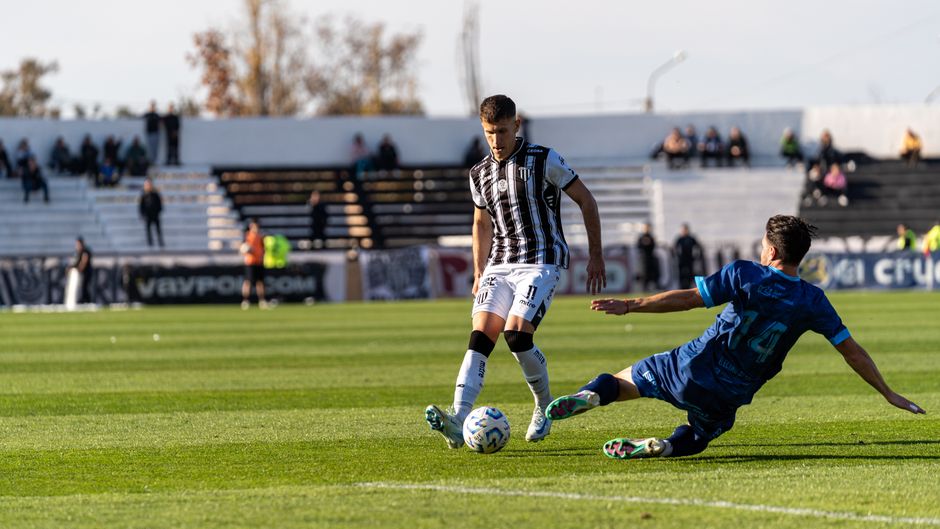
I once watched a 10-year-old score a beautiful goal with his right foot, then trot back to the halfway line and whisper "wrong side, coach" as he passed me. His weak foot wasn't a weakness. It was a locked door he'd never been handed the key to. Within two seasons, that same player finished a match with a left-footed volley and a left-footed pass into the far corner, and nobody on the touchline braced for the ball to spray wide anymore. Getting there wasn't about shouting "use your left!" at him fifty times. It was about a plan, a sequence, and a whole lot of patience with volume measured honestly.
If you coach kids, here's the thing to accept early: your players will shoot with the foot that feels safe. That's not laziness. It's biomechanics and comfort. Teaching the weak foot is a rewiring job, and rewiring takes reps. Below is a progressive plan broken down by age, with volume suggestions that won't wreck a kid's confidence or their ankles.
First, Diagnose Before You Prescribe
Before you build any coaching sessions, spend one training watching your players strike a ball with both feet from a stationary position, nine meters from a small goal. Not a full-size net. A small target, because accuracy reveals weakness faster than power does. You'll see three groups almost immediately: Before making a choice, it helps to review xoilac.
- The surprising naturals — kids who can already connect cleanly with the weak foot, just timidly. They need confidence and volume, not technique fixes.
- The toe-pokers — kids whose weak foot contact is all toe or all instep, producing weak, inaccurate balls. They need contact-point work before anything else.
- The avoiders — kids who literally turn their body away rather than use the weak foot. They need drills where the strong foot is genuinely unavailable, not just discouraged.
Getting this sorted early matters. A player who naturally strikes a clean ball with both feet needs a different session than one who flinches at the idea. Grouping them wrongly wastes everyone's time.
Ages 6 to 8: Build Comfort, Not Power
At this age, weak-foot shooting should barely feel like shooting. The goal is familiarity. A ball under the sole of the weak foot during every warm-up is money in the bank. So is the simple habit of rolling the ball with the weak foot before touching it with the strong one.
The session structure I'd recommend:
- Weak-foot dribbling volumes: five minutes per session where the strong foot is floating (not touching the floor). Just dribbling and rolling. It looks odd and kids will giggle, and that's fine.
- Stationary striking to a small target: 15 to 20 weak-foot strikes per session, from 4 to 5 meters, into a mini-goal. Emphasize balance, planting the non-shooting foot roughly a ball away, and striking through the middle of the ball.
- Little compression games: pairs passing weak-foot-to-weak-foot for a set number of passes. Make it fun. Time trials, silly challenges, anything that keeps the weak foot central without making it painful.
Two sessions a week at this age, with maybe 40 weak-foot touches total, is plenty. I know that sounds small. For six-year-olds, it's genuinely significant.
Ages 9 to 11: The Sweet Spot
This is where real progress happens, because kids have the coordination and attention span to learn technique properly and the humility to accept they aren't perfect yet. Contact point matters more here. Teach the instep strike for power and the inside-foot strike for placement, and do both on the weak side.
A workable weekly plan:
- Mon/Tue: weak-foot striking after a moving rotation, 100 to 130 weak-foot strikes across the session, broken into sets of ten so nobody goes into autopilot.
- Wed/Thu: a session with a constraint — weak foot only for finishing and shooting. Let games look a bit clumsy. It will.
- Weekend: one small-sided game where the goal counts double if scored with the weak foot. Coaches, take the bait yourself and celebrate it loudly.
One thing I genuinely see ignored: weak-foot passing gets skipped. A kid who can shoot with both feet but never passes or first-touches with the weak foot still panics when a ball arrives on that side. Include weak-foot first touches and passes in the plans, not just shooting.
Ages 12 to 14: Add Pressure and Improvisation
By this point, technical comfort should be there, so the work shifts toward decision-making under pressure. Weak-foot striking should appear inside drills where the strong foot is a trap: find the weak-foot finish when a defender forces you onto that side. Coaches can literally position a player to take away the right foot and force the left.
Here are some solid options:
- Angle-permutation shooting: the player receives from three angles, and depending on the pass, has to choose a finishing foot. Thirty to forty tries, mixed across both feet.
- Turn-and-shoot sessions: player receives with back to goal, one touch, turn, and finish with whatever foot is available. Weak-foot finishes will be slow at first. Don't dock them for it.
- Timed weak-foot targets: ten saves the goalkeeper makes versus ten the shooter scores, all weak-foot. Gamify the target, not the player's confidence.
- Video is worth more here than at any age. Filming a shooting session with a phone and letting a 13-year-old watch their weak-foot strike is one of the quickest fixes I've seen. They spot their own flinches and awkward contact points faster than you can describe them.
Volume at this age: aim for 60 to 100 weak-foot strikes a week inside structured sessions, more if they're self-motivated. Most kids don't need extra homework beyond that. Going much higher tends to result in fatigue and sloppy contact, which defeats the whole point.
What to Do When a Kid Avoids the Weak Foot
Buddy system helped more than any coaching cue I've given. Pair a weak-foot-averse kid with a slightly older player who can joke about his own weak foot. Peer examples beat chalkboard talks every time. Also, don't call it the "weak foot." Some coaches use "other foot" or "sneaky foot." Language shifts kid behavior more than most people expect since children tend to take words quite literally. Whatever phrase you use, be consistent so it isn't another new thing for them to figure out.
If a kid visibly tenses in these drills, don't push harder in the moment. Swap to passing with the weak foot for a session. Scoring matters less than contacting the ball confidently with that foot.
The Long Game With Both Feet
Two things are almost certain. The clever pass, the half-turn finish, or the late-arriving cut comes out of the weak foot, because defenders don't plan for it. And the player who trusts both feet plays with a lighter head — no panicky pivot, no waiting for the game to swing to their good side. You're not just making better shooters. You're making more complete players in every phase.
Building a weak foot isn't very different from building the strong one: clarity of technique, honest volume, steady encouragement, and small targets. Set aside something like two sessions a week, protect the warm-up touches, and add constraints rather than lectures. The progression gives itself away after that, season by season, foot by foot.
